The Craft of Handcrafted Furniture
- paul Taylor7470
- Sep 6, 2025
- 3 min read
Creating furniture by hand is a journey that blends tradition, skill, and passion. It is a process that invites us to slow down and appreciate the beauty of natural materials shaped by expert hands. When I think about making handcrafted furniture, I imagine the gentle curves of oak, the smoothness of sanded surfaces, and the satisfying weight of a solid piece built to last. This craft is not just about assembling wood; it is about creating heirlooms that tell stories and enrich homes with warmth and character.
The Heart of Making Handcrafted Furniture: Choosing the Right Oak
The foundation of any exceptional piece lies in the wood itself. Oak, with its strength and natural beauty, stands out as a favourite for those seeking durability and elegance. When selecting oak for furniture, I look for boards with a rich grain pattern and a warm, honeyed tone. These qualities ensure that the final piece will age gracefully, developing a patina that enhances its charm over time.
Oak’s versatility allows it to be crafted into a variety of styles, from rustic farmhouse tables to sleek, modern cabinets. The density of oak means it can withstand daily use without losing its integrity. This makes it an ideal choice for furniture that is both functional and beautiful.
Tip: Always source oak from sustainable suppliers to ensure your furniture is eco-friendly and supports responsible forestry.

The Craft of Making Handcrafted Furniture: Tools and Techniques
The process of making handcrafted furniture is a dance between traditional tools and modern precision. I begin with hand planes and chisels, tools that allow me to shape the wood gently and with great control. These tools help reveal the natural character of the oak, highlighting its knots and grain.
Joinery is where the craft truly shines. Techniques like dovetail joints and mortise-and-tenon connections are not only strong but also visually appealing. They speak of a time when furniture was built to last generations. Each joint is carefully measured and fitted, ensuring stability without relying on nails or screws.
Sanding is another crucial step. I use progressively finer grits to smooth the surface, preparing it for finishing. This stage requires patience, as the goal is to create a tactile experience that invites touch.
Pro tip: Use natural oils or wax finishes to enhance the oak’s colour and protect it without masking its natural beauty.

The Personal Touch: Customising Your Furniture
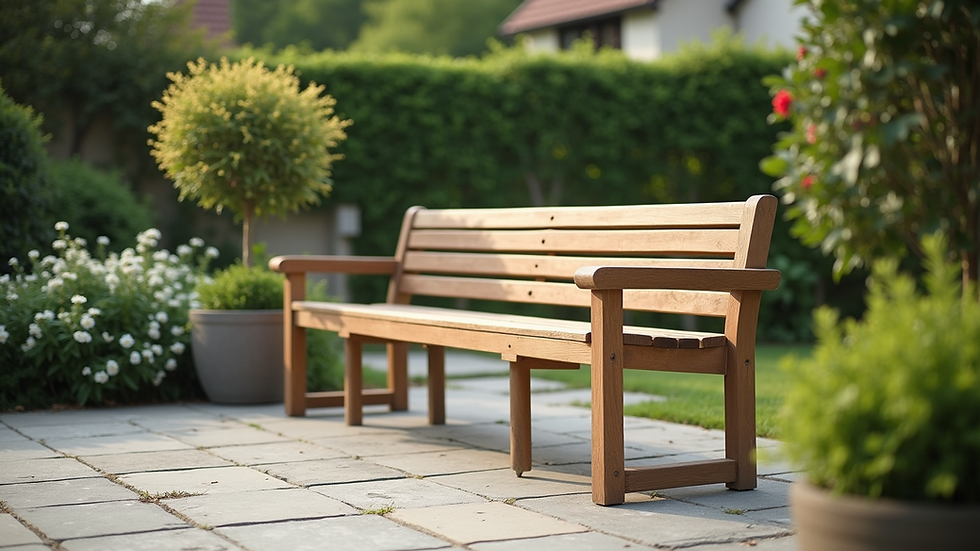
One of the most rewarding aspects of making handcrafted furniture is the ability to personalise each piece. Customisation allows the furniture to reflect the unique tastes and needs of its owner. Whether it’s a dining table tailored to fit a specific space or a garden bench designed for comfort, every detail matters.
I often work closely with clients to understand their vision. This collaboration ensures that the final product is not only functional but also deeply meaningful. From choosing the finish to selecting hardware, every choice contributes to the story the furniture will tell.
Ideas for customisation:
1. Incorporate carved details or inlays for a decorative touch.
2. Adjust dimensions to suit your room perfectly.
3. Select finishes that complement your existing décor.

Caring for Your Handcrafted Oak Furniture
Owning handcrafted furniture is a joy, but it also comes with the responsibility of proper care. Oak is resilient, but it benefits from regular maintenance to keep it looking its best. I recommend dusting with a soft cloth and avoiding harsh chemicals that can damage the finish.
For deeper cleaning, a mild soap solution works well, followed by drying with a clean cloth. Periodically, applying a natural oil or wax will nourish the wood and protect it from drying out. Avoid placing furniture in direct sunlight or near heat sources to prevent warping or fading.
Maintenance checklist:
- Dust weekly with a microfiber cloth.
- Clean spills immediately to prevent stains.
- Reapply oil or wax every 6-12 months.
- Use coasters and placemats to protect surfaces.
Embracing the Legacy of Handcrafted Furniture
There is something profoundly satisfying about owning furniture that has been made with care and expertise. Each piece carries the mark of its maker and the story of its creation. When I craft furniture, I think about the generations who will use it, the memories it will witness, and the comfort it will provide.
Choosing handcrafted furniture means investing in quality, sustainability, and timeless beauty. It is a choice that honours tradition while embracing individuality. As you bring such pieces into your home, you invite a sense of warmth and authenticity that mass-produced items simply cannot match.
In the end, making handcrafted furniture is more than a craft - it is a celebration of wood, skill, and the enduring human touch. It is a reminder that the best things in life are made slowly, with intention and love.


Comments